



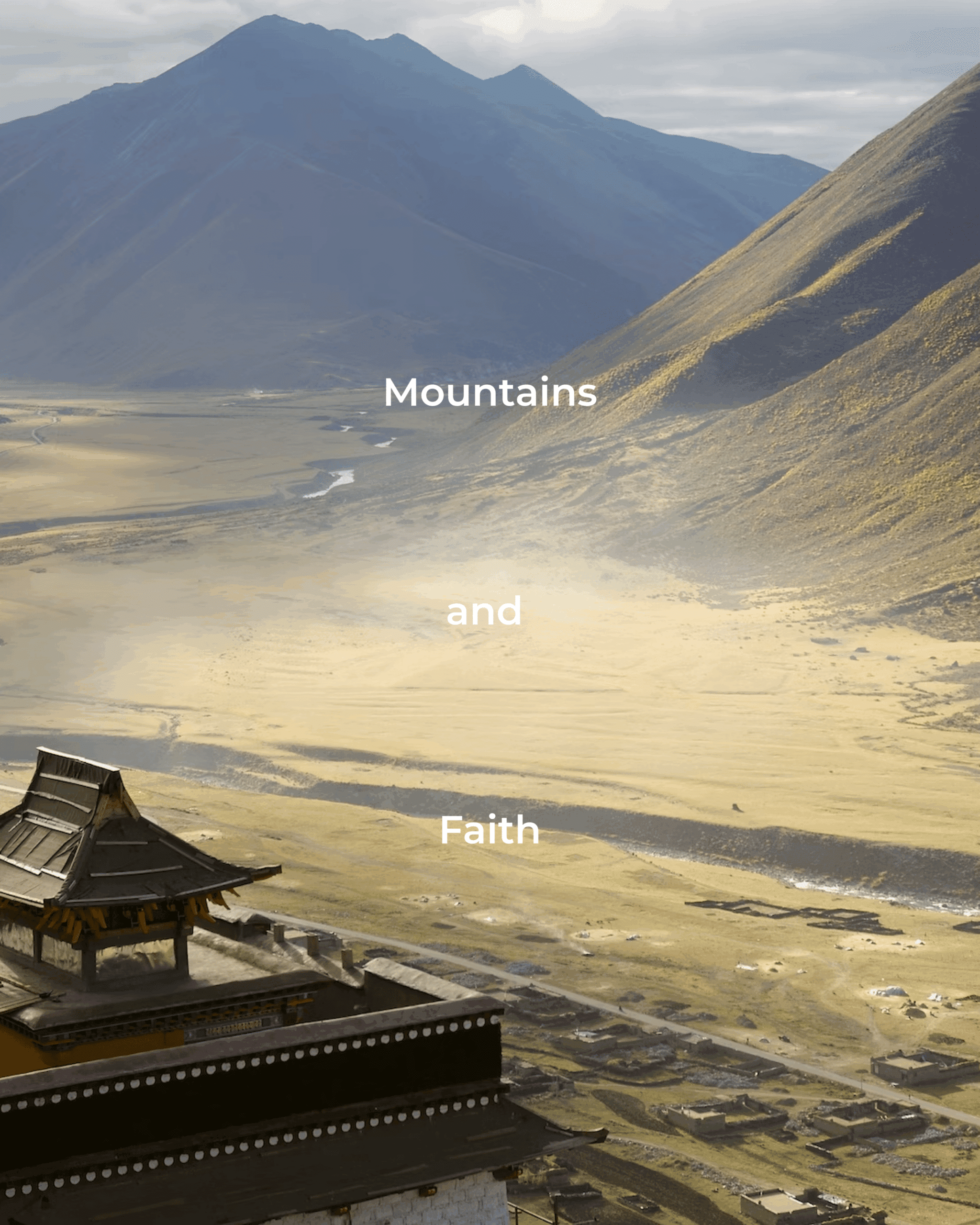
Mountains and Faith
Introducing The Mountain Journal, where we celebrate the spirit and culture of the Himalayas in every form. Through stories, traditions, and the timeless wisdom of these sacred peaks, we aim to inspire a deeper connection with nature, spirituality, and the rich heritage of mountain life.
In our first episode, Mountains and Faith, we explore the sacred connection between towering peaks and the human spirit. More than geographical features, mountains have long been cradles of faith, where the divine and human converge. In the Himalayas, every peak is revered as a manifestation of the divine, radiating mystical energy and fostering a timeless harmony between nature and its people.
These majestic summits, honored across cultures, call us to pause and reflect on our connection to the sacred. In their thin, pure air, the essence of life is magnified, bridging the untouched beauty of the natural world with the profound depths of the spiritual realm.

The spirit of the mountains has long accompanied humanity, offering a sanctuary that resonates with soul.
In the Himalayas, majestic snow-capped peaks stretch endlessly, their radiant glow inspiring awe and timeless reverence. Here, nature’s grandeur humbles, reminding us of life’s fragility and our smallness.
The Himalayan people revere sacred mountains, lakes, trees, and rocks, seeing spirits in all of nature. Their animistic beliefs inspire rituals, prayers, and offerings, fostering harmony with the natural world. This deep respect helps preserve the fragile Himalayan ecosystem, keeping it largely pristine.
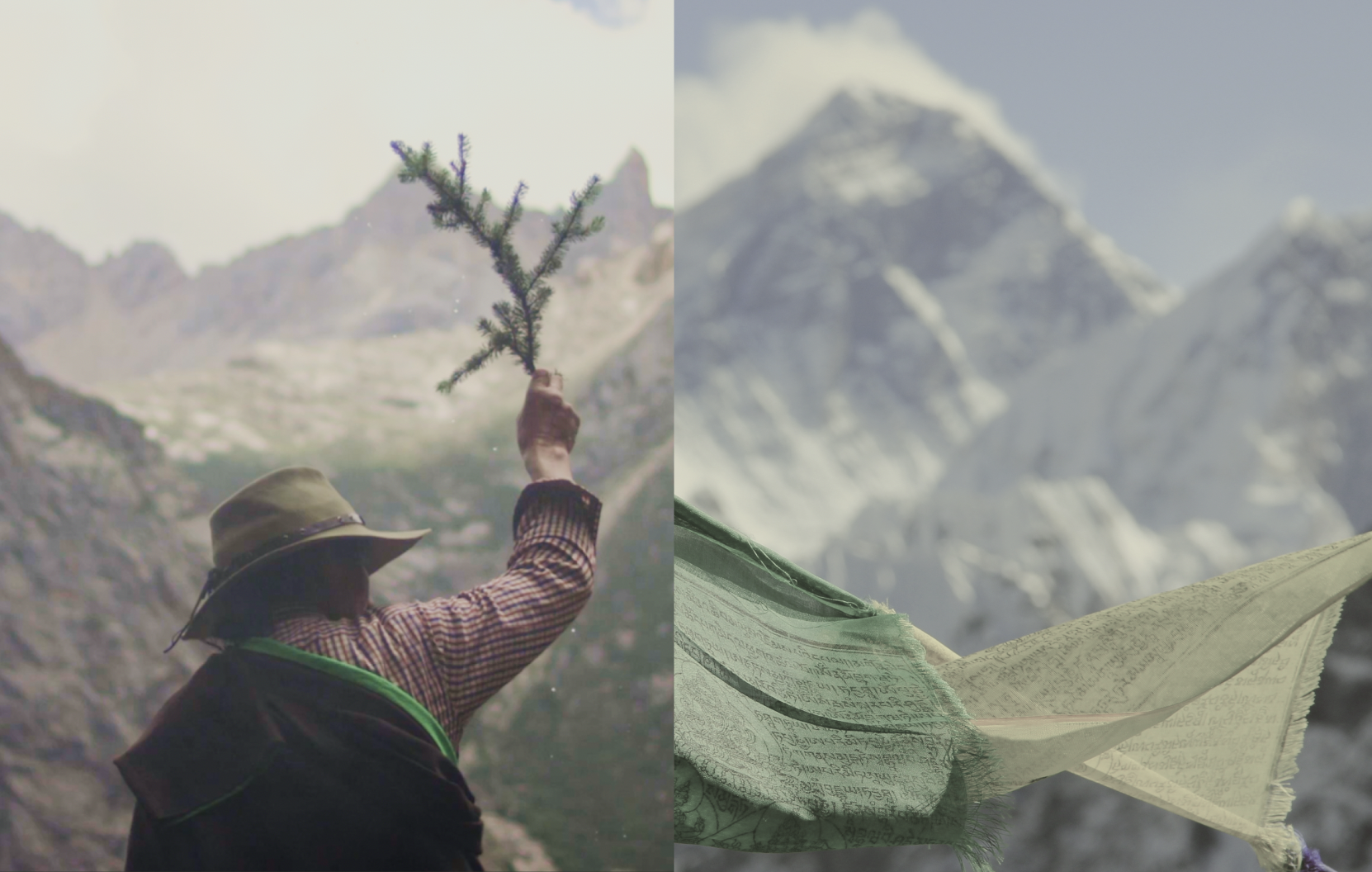
In Tibetan Buddhism, mountains are sacred realms where nature meets the divine – a cosmic center and sanctuary for spiritual seekers. Every tree, stone, and blade of grass embodies enlightenment.
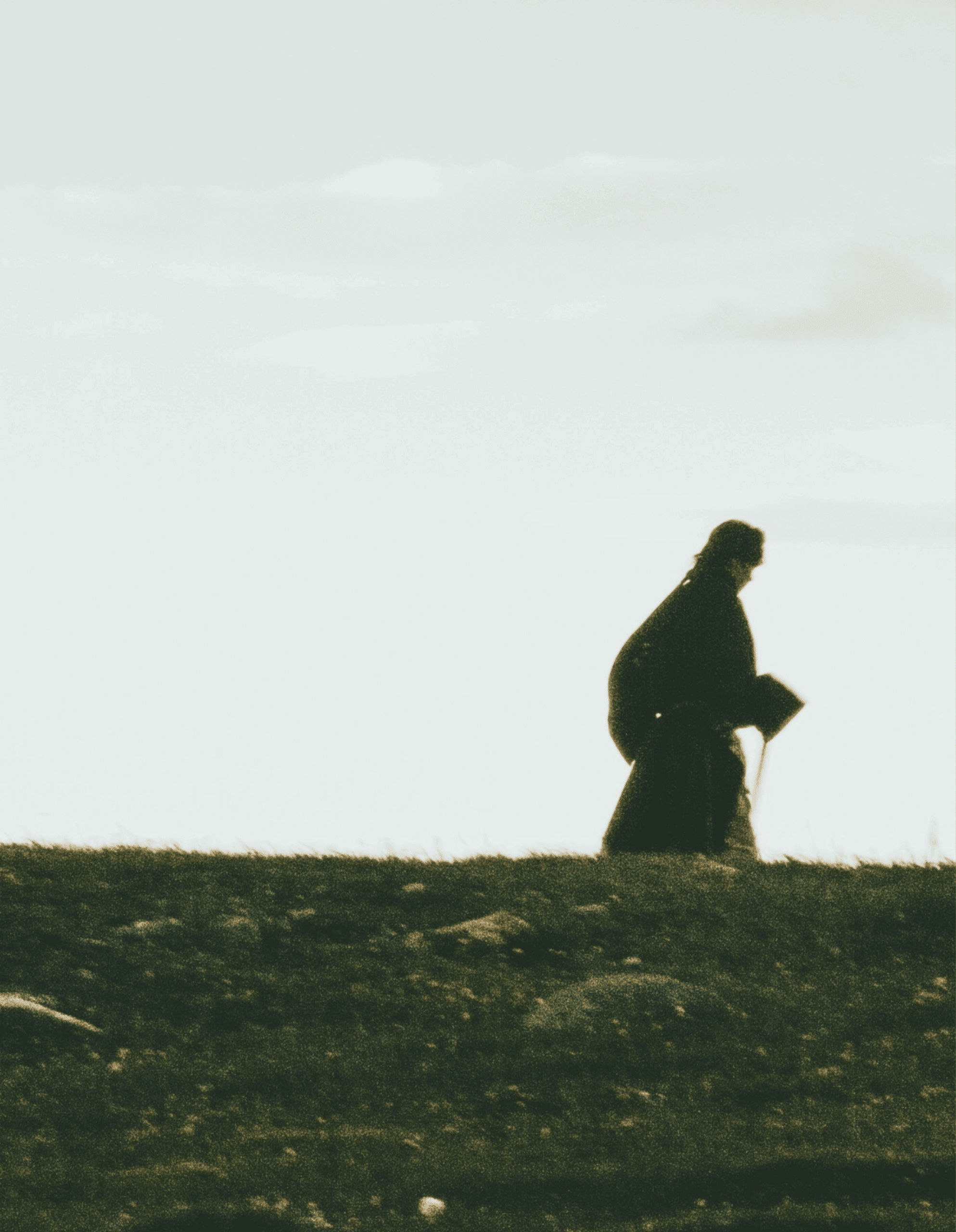
As described in The Lotus Born: The Life Story of Padmasambhava: “Padmasambhava meditated among the mountains, merging with the great expanse of nature.” Monks walk, meditate, chant and pray in the mountains, the hallowed grounds of awakening and self-realization.
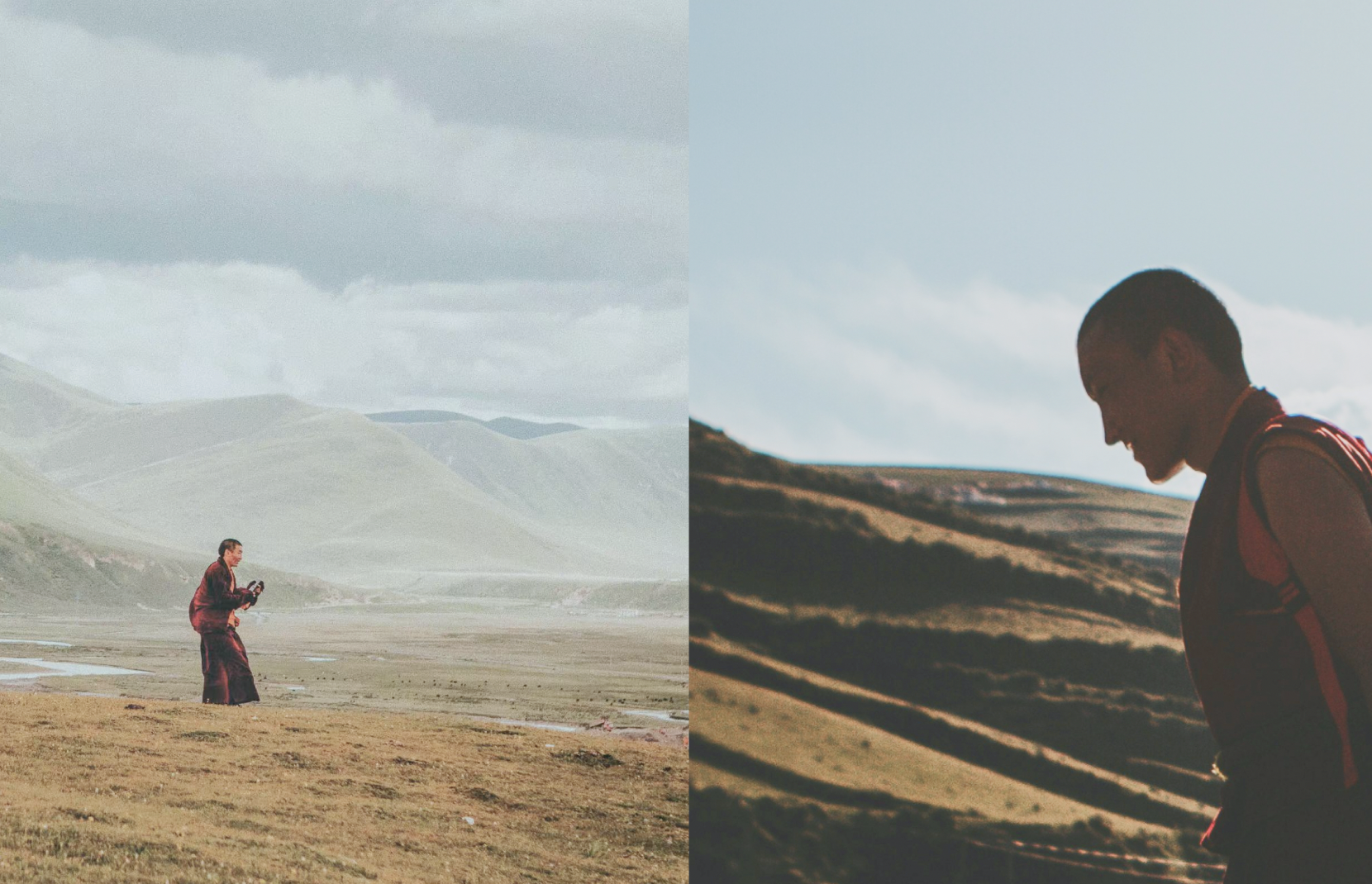
The mountains draw souls into their silent embrace, revealing long-sought truths. As Alexandra David-Néel wrote in My Journey to Lhasa: “In the Himalayas, I discovered the truth of life. The silence and desolation were not cold indifference but transcendent compassion. One feels like a speck of dust, cradled by the grandeur of the sacred peaks.”
In the sacred mountain range, all the distractions seem to vanish without a trace, leaving only the soul and nature blending together in profound tranquility.

The Life and Legacy of Alexandra David-Néel
Alexandra David-Néel (1868-1969) was a trailblazer, a woman of boundless curiosity and resolve. Born in Paris, she defied societal norms to become one of the first Western women to explore the heart of Tibet and document its spiritual traditions. Her life was a symphony of bold exploration and intellectual pursuit, seamlessly blending East and West in her writings and teachings.

“To the man who is afraid, everything rustles.”
David-Néel’s life began with an early fascination for travel and philosophy. Raised in a conventional European environment, she yearned to escape its confines. Her youthful travels to England, Switzerland, and Spain only whetted her appetite for more distant lands. Inspired by Eastern spirituality, she declared, “I will go where monks tread.”
A Pilgrimage of Discovery
In 1911, she embarked on her transformative journey to India. Immersing herself in Buddhist teachings, she studied under revered lamas and experienced the ascetic life. Her quest for knowledge took her to the Himalayan kingdom of Sikkim, where she befriended the 13th Dalai Lama and became fluent in Tibetan. She later wrote, “The man who is swimming against the stream knows the strength of it.”

“The lands I have crossed are as a mirror; they have shown me myself.”
Her most daring feat came in 1924, when she secretly entered the forbidden city of Lhasa, disguised as a beggar. At the time, Tibet was closed to foreigners, and her journey through treacherous mountain passes required extraordinary courage and determination. In her memoir My Journey to Lhasa, she recounts the perils and triumphs of this clandestine adventure, shedding light on Tibetan culture and spirituality.
Wisdom Beyond Borders
David-Néel’s writings, including Magic and Mystery in Tibet, remain seminal works, offering a rare glimpse into a world few outsiders have witnessed. She introduced Western audiences to Tibetan Buddhism, demystifying its practices and philosophies. Her unique perspective—combining rigorous scholarship with firsthand experience—captured the imagination of readers worldwide.

A Legacy of Resilience
Returning to Europe in her later years, David-Néel shared her insights through books and lectures. Her indomitable spirit continued to inspire adventurers, scholars, and spiritual seekers alike. She lived to be 101, leaving behind a legacy of courage and intellectual curiosity.

“Courage is not the absence of fear, but the triumph over it.”
Alexandra David-Néel’s life is a testament to the power of perseverance and the thirst for understanding. She demonstrated that exploration is not merely a journey across landscapes but a profound quest for inner truth. As she once said, “One must go beyond the self to discover the infinite.”
Her story endures as a beacon for those who dare to dream, to seek, and to embrace the unknown.